
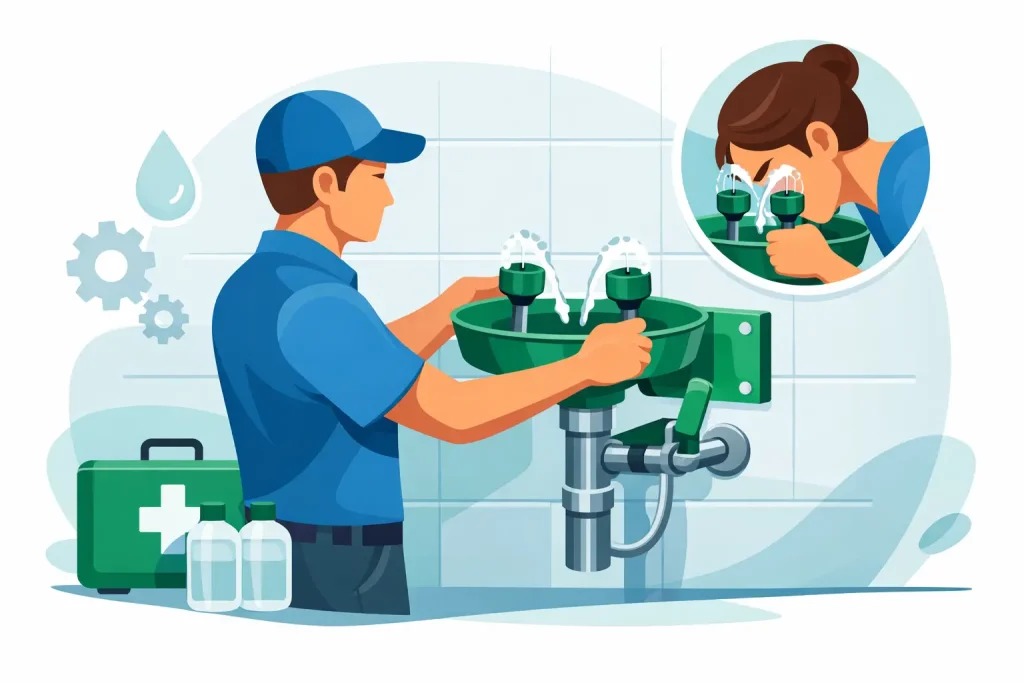
A wall-mounted eyewash station in the wrong spot is almost as bad as not having one at all. When a worker gets chemical splash exposure, seconds matter, and poor placement, weak water flow, or blocked access can turn a manageable incident into a serious injury. If you are asking how to install eyewash station equipment properly, the real job is not just mounting hardware. It is making sure the unit is reachable, functional, and ready the moment someone needs it.
How to install eyewash station the right way
Eyewash station installation starts with the hazard, not the product box. Before you drill into a wall or connect a water line, identify what the station is meant to protect against. Battery charging areas, chemical dosing points, maintenance workshops, laboratories, wash bays, and manufacturing lines all create different exposure risks. That affects whether you need a plumbed eyewash, a self-contained unit, or a combined emergency shower and eyewash setup.
For many facilities, a plumbed unit is the preferred option because it delivers continuous flushing water and supports repeat testing. But that only works when the water supply is reliable and the location can be kept accessible at all times. In remote yards, temporary work zones, or sites with limited plumbing access, a self-contained unit may be the better fit. The correct installation depends on site conditions, not just price.
Start with location and travel distance
The first decision is where the eyewash station will sit in relation to the hazard. It should be close enough for an exposed worker to reach quickly without climbing stairs, opening difficult doors, or weaving around stored materials. In industrial spaces, this is where many installations fail. The station gets placed where plumbing is convenient rather than where emergency access makes sense.
A good location is on the same level as the hazard, clearly visible, and along a direct path of travel. Avoid corners hidden by racks, machinery, pallets, or partition walls. If forklifts operate nearby, protect the unit from impact, but do not build barriers that slow access. The station should remain easy to spot even in a stressful situation when the worker may have limited vision.
If your facility handles corrosives or high-risk chemicals, review your internal hazard assessment and applicable safety requirements before fixing the final location. Different workplaces may require different setups, and a combined shower-eyewash unit may be more appropriate than a standalone bowl.
Confirm water supply and flushing performance
Once the location is chosen, check the incoming water source. A plumbed eyewash station needs a reliable supply capable of delivering consistent flushing performance. Low pressure, dirty lines, or unstable flow can make the unit ineffective. This step matters just as much as the physical installation.
The water should be suitable for eye flushing and should not come out with excessive sediment, rust, or contamination. In many industrial sites, it also makes sense to review temperature conditions. Water that is too cold can discourage proper flushing time, while very hot water creates a different risk. Some sites use tempering solutions to maintain a safer and more usable flushing temperature.
Before installation, verify pipe size, valve compatibility, and whether local shutoff arrangements will affect station performance. A unit that looks properly installed but cannot deliver the required flow under real conditions is a compliance and safety problem waiting to happen.
Mounting and plumbing the eyewash station
After planning, the installation itself should be straightforward, but it should still be done carefully. Follow the manufacturer instructions for the exact model because bowl height, activation design, mounting points, and pipe connection details can vary. This is one reason industrial buyers often prefer tested, ready-to-order units from established suppliers rather than piecing together components.
Start by marking the mounting height and bracket position based on the product specifications. The nozzles should sit at the correct operating height for users and should allow comfortable eye flushing without awkward posture. If the station is wall-mounted, make sure the wall structure can carry the load and withstand repeated use. Mounting into weak panels without reinforcement is a common mistake in workshops and warehouses.
Next, connect the unit to the water supply using the specified fittings. Use proper sealing methods for the pipe type and avoid overtightening components that can crack or distort. If the station includes strainers, filters, dust covers, or flow controls, install them exactly as intended. These parts are not optional extras. They affect how the eyewash performs in an emergency.
The activation valve should open easily and stay on without the user having to hold it manually. During an eye exposure incident, the injured person may need both hands free to hold their eyelids open. If the handle is stiff, obstructed, or positioned too close to a wall or pipe, fix that before the station goes live.
Keep the area clear and visible
An installed eyewash station is only useful if workers can reach it immediately. Mark the area clearly with high-visibility signage and maintain a clear access zone around the unit. Do not allow boxes, drums, mop buckets, hand trucks, or spare pallets to creep into that space over time. This happens often in busy facilities, especially where floor space is tight.
Lighting also matters. If the station is installed in a dim utility area or production corner, visibility can suffer during an emergency. Good placement, clear signs, and a clean path do more for emergency response than expensive add-ons that do not solve access issues.
Testing after installation is not optional
The most important part of how to install eyewash station equipment is proving that it works after installation. Once the plumbing is complete, activate the unit and inspect the spray pattern, flow consistency, valve operation, and drainage conditions. Both nozzles should provide an even flushing stream that reaches the eye area properly without excessive force.
Watch for leaks at connections, delayed activation, sputtering flow, or dirty water during startup. Some initial line clearing may be expected, but the final output should be clean and stable. If the drainage below the station cannot handle testing or emergency use, correct that now. Standing water around the station creates slip hazards and discourages regular checks.
Facilities should also document installation and testing. For EHS teams and operations managers, this provides a clear record that the unit was installed properly, commissioned, and placed into service. It also supports internal inspections and maintenance scheduling.
Set up inspection and maintenance routines
An eyewash station is not a fit-and-forget product. Once installed, it needs regular activation, visual inspection, and cleaning. Weekly testing is common for plumbed units because it helps confirm operation and flushes stagnant water from the line. Over time, dust covers, nozzles, valves, and bowls can collect debris or show wear.
This is where procurement decisions affect long-term operating cost. A lower-priced unit can still be a smart buy if replacement parts are available and the design is practical for routine checks. For industrial sites managing multiple safety products, consistency matters. Buying from a supplier that understands emergency response equipment and keeps stock available can reduce downtime and replacement delays. That is part of why many buyers prefer specialized industrial safety suppliers like FUMiKA.
Common installation mistakes to avoid
Most eyewash station problems come from shortcuts. The unit gets installed too far from the hazard, the route is blocked, the water pressure is not checked, or no one tests the station after mounting. These are preventable issues.
Another common mistake is choosing the wrong station type for the environment. A basic eyewash may be enough in one area, while another process line really needs a combination shower and eyewash because full-face or body exposure is possible. There is also the maintenance issue. A station installed in a harsh, dirty, or corrosive environment may need more frequent inspection or a more durable design.
If your site includes chemical handling, battery service, laboratories, maintenance bays, or production wash areas, it is worth matching the station to the specific risk rather than using one standard setup everywhere. That usually saves money over time because the equipment fits the job from the start.
When to call a plumber or safety professional
Some installations are simple. Others are not. If your facility needs new pipework, tempering valves, drainage changes, or a combined emergency unit, use a qualified installer. The same applies if local plumbing rules, workplace safety requirements, or internal engineering standards need to be met.
For buyers managing multiple sites, standardizing installation practices can help reduce errors. It keeps eyewash placement, maintenance routines, and equipment selection consistent across workshops, warehouses, and process areas. That makes training easier and emergency response more reliable.
The best eyewash station installation is the one no one has to think about during an emergency. It is in the right place, it works immediately, and it has been tested before the day it is needed.